
Extruded Feed for Tilapia: Nutritional Benefits, Performance & Modern Aquaculture Compatibility
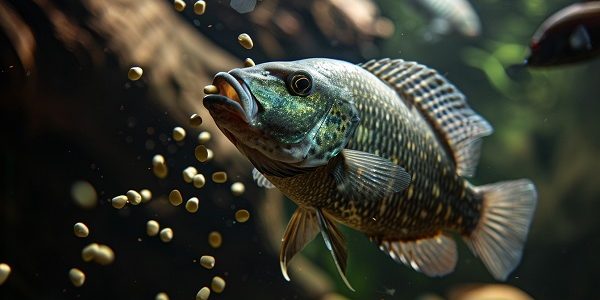
Tilapia is one of the most widely cultivated fish species in tropical and subtropical regions due to its rapid growth, high tolerance to stocking density, and strong resistance to environmental changes. To achieve optimal performance and maximize profitability, tilapia farmers rely heavily on high-quality extruded feed that delivers balanced nutrition across every growth stage.
This guide explains the key characteristics, nutritional benefits, and scientific principles behind effective extruded feed for tilapia, designed to support advanced aquaculture systems such as intensive production, biofloc, and recirculating aquaculture systems (RAS).
Why Extruded Feed Is Essential for Tilapia Farming
Extruded feed is processed under controlled temperature and pressure, creating pellets with high digestibility, excellent water stability, and consistent nutrient distribution. For tilapia, this type of feed ensures reliable growth, efficient nutrient absorption, and reduced environmental waste.
Benefits of Using Extruded Tilapia Feed
- Improved nutrient availability and digestion
- Enhanced growth performance and uniform size distribution
- Better pellet floatability and feeding control
- Reduced feed losses and lower environmental impact
- Compatibility with modern, high-density aquaculture systems
Key Nutritional Features of High-Quality Extruded Feed for Tilapia
- Optimal Protein and Energy Balance
Tilapia require different protein levels depending on their developmental stage:
- Juveniles often need 30–40% protein
- Adult fish thrive on low-protein, high-energy diets
An optimized protein-to-energy ratio is crucial for:
- Better feed efficiency
- Reduced nitrogen excretion
- Higher growth rates at lower cost
- Enhanced Digestibility and Lower FCR
The extrusion process increases nutrient bioavailability, helping producers achieve:
- Reduced feed conversion ratio (FCR)
- Faster weight gain
- Improved overall production efficiency
- Adaptability to Biofloc and RAS Systems
Modern aquaculture systems demand precise nutritional formulations. Extruded feed supports:
- Higher protein utilization in biofloc environments
- Improved water quality in recirculating aquaculture systems (RAS)
- Stable pellet performance in high-density farming
- Support for Gut Health and Immunity
Advanced formulations may include bioactive peptides and functional additives that:
- Strengthen intestinal tissue development
- Improve nutrient absorption
- Enhance antioxidant defenses
Boost immune response under stress and high-density conditions
- Flexibility in Protein Sources
High-quality extruded feed can incorporate plant-based proteins such as soy, provided essential amino acid requirements are met. This approach supports:
Sustainable feed production
Lower feed costs
Reliable, long-term ingredient availability
Extruded Feed: A Smart Choice for Sustainable Tilapia Production
By combining balanced nutrition, high digestibility, and compatibility with advanced aquaculture systems, extruded feed allows producers to achieve superior growth performance while minimizing waste and environmental impact. Whether used in intensive, semi-intensive, biofloc, or RAS operations, the right feed formulation plays a major role in ensuring healthy fish, strong yields, and profitable tilapia farming.