
The Pet Food Extruder: The Beating Heart of the Pet Food Industry!
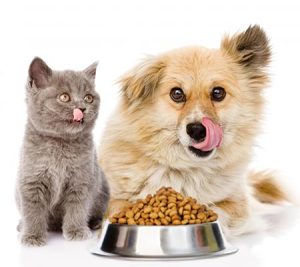
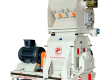
In recent years, the pet food industry has witnessed remarkable growth worldwide. As pet owners have become increasingly aware of the importance of healthy and controlled nutrition for their pets, the demand for high-quality and sustainable pet food has grown significantly. Among the various technologies used in this field, the pet food extruder stands out as the most advanced and essential system, playing a decisive role in determining the final quality of the product.
An extruder is essentially a machine that integrates the processes of mixing, cooking, shaping, and drying to transform raw feed ingredients into ready-to-eat, digestible pet food. This process not only enhances the bioavailability of nutrients but also improves key sensory properties such as shape, texture, color, and flavor.
By using a modern pet food extruder, manufacturers can produce a wide range of dry and semi-moist foods for dogs and cats, formulated with various combinations of animal proteins, grains, vegetables, and mineral additives. This versatility allows producers to customize their products according to breed, age, and specific nutritional needs, ensuring both optimal health and enjoyment for pets.
Among the various technologies used in this field, the pet food extruder stands out as the core and most advanced machinery, playing a decisive role in determining the final quality of the product.
From a mechanical engineering perspective, the extruder is one of the most complex machines in the feed industry, as it requires precise coordination between temperature, pressure, moisture, and residence time of the materials.
The engineering design of pet food extruders must ensure high efficiency, uniform product quality, mechanical stability, and optimal energy consumption.
In short, the dog and cat food extruder is the beating heart of every pet food production line. Its performance directly affects the taste, digestibility, and nutritional value of the final product.
For consultation on pet food extruders and to receive a production line quotation, contact us at +98 912 027 5171 or fill out the online contact form. Our experts will get in touch with you as soon as possible.
How a Pet Food Extruder Works: From Mixing to Cooking and Shaping
A pet food extruder is a machine that performs multiple mechanical and thermal operations simultaneously to transform raw materials into ready-to-eat feed.
In this process, the precise balance between temperature, pressure, residence time, moisture, and mechanical shear plays a crucial role.
The result of this coordination is a product that is not only nutritionally complete but also visually appealing with excellent texture and appearance.
The extrusion process typically consists of the following stages:
1. Feeding and Pre-Mixing of Raw Materials
The raw ingredients—including meat powder, corn flour, rice, soybean meal, oils, vitamins, and minerals—are first blended in a mixer at precise ratios.
Initial moisture is typically adjusted between 20–30% to ensure proper compression and smooth material flow inside the extruder.
Accuracy at this stage is critical to prevent fluctuations in density and texture of the final product.
2. Conveying and Compression in the Screw
The moistened materials are fed into the extruder barrel via a feeder. Inside, the screw rotates, compressing and homogenizing the mixture while moving it forward.
The geometric design of the screw—pitch, angle, and compression ratio—determines the level of mechanical shear, temperature rise, and energy distribution within the material.
For pet food production, twin-screw extruders are most commonly used, providing more uniform mixing and superior cooking quality.
3. Thermal Cooking and Gelatinization
During compression, internal friction and steam injection raise the material temperature to around 120–160°C.
This temperature is essential for starch gelatinization, protein denaturation, and microbial inactivation.
At this stage, the structure of the material changes, significantly improving its digestibility for pets.
Precise temperature control prevents burning and helps retain vitamins and sensitive nutrients.
Extrusion Through the Die and Product Shaping
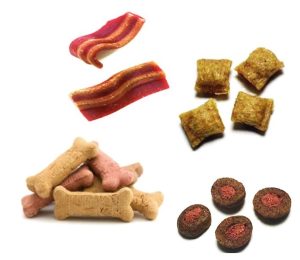
After cooking, the material passes through a die, which determines the final shape of the product.
The die holes define the size and form of the kibble—from small pieces for kittens to larger pellets for adult dogs.
At the moment of exit, the sudden pressure drop causes moisture evaporation and instant expansion of the product, creating the characteristic light and porous texture.
- Cutting, Drying, and Final Coating
After leaving the die, cutting blades (cutters) slice the extrudate into specific lengths. The product then enters a dryer, reducing moisture to around 8–10%.
In the final stage, a coating drum applies fats, flavorings, and heat-sensitive vitamins to the surface of the pellets, enhancing both nutritional value and palatability.
Pet Food Extruder: A Combination of Mechanical and Thermodynamic Technology
A pet food extruder integrates mechanical and thermal engineering, where precise screw design, temperature, pressure, and die configuration determine the quality of the final product.
The difference between high-quality dry pet food and inferior products lies primarily in these technical settings.
A deep understanding of extruder operation enables manufacturers to produce pet food with uniform texture, high nutritional value, and extended shelf life.
For consultation on pet food extruders and production line pricing, contact us at +98 912 027 5171 or submit your request through the contact form. Our experts will reach out promptly.
Key Components of a Pet Food Extruder and Their Role in Product Quality
A pet food extruder is a complex, multi-functional machine that requires precise coordination between mechanical, thermal, and control systems for stable operation and high-quality feed production.
Below is an overview of the main components from a mechanical engineering perspective:
Feeding System
The production process starts with the feeder, which delivers raw materials at a precise and consistent rate into the extruder barrel.
Modern pet food extruders use adjustable screw feeders with Variable Frequency Drives (VFD) to synchronize material flow with screw speed.
Feeder stability is critical for uniform cooking, pressure, and product density.
Weight sensors or load cells are commonly used in fully automated lines.
Screw (Screw Conveyor)
The screw is the mechanical heart of the extruder, responsible for transporting, compressing, mixing, and shearing the materials along the barrel.
The screw geometry—including length-to-diameter ratio (L/D), pitch angle, and flight depth—determines material behavior during cooking.
For dog and cat food, a co-rotating twin-screw system is commonly used, providing:
- More uniform mixing
- Better temperature control
- Reduced risk of clogging
Screws are made of wear-resistant alloy steel (e.g., 38CrMoAlA) and usually feature nitrided surface hardening for friction resistance.
Barrel
The barrel houses the screws, where materials are heated, compressed, and cooked.
Pet food extruder barrels are divided into multiple heating zones, each with its own temperature setpoint.
Heating is achieved through electric heaters or steam injection.
Precise temperature control prevents burning and preserves protein quality.
Barrels are typically made from thick, wear- and corrosion-resistant steel and designed modularly for easy cleaning and replacement.
Die and Cutter
The die is the extrusion outlet that shapes the feed. Each product requires a specific die depending on animal type, age, and size.
Dies are usually precision-machined stainless steel, ensuring uniform flow without clogging.
Adjustable cutting blades cut the extrudate to the desired length.
In automated systems, cutter speed is synchronized with internal pressure and extrusion rate to maintain consistent pellet size.
Steam and Liquid Injection
Steam injection raises material temperature for complete cooking.
Liquids, such as oils, enzymes, or emulsifiers, are added at specific points to enhance physical properties and nutritional quality.
Injection systems feature pressure control valves and flow meters to maintain precise heat and moisture balance.
Drive System
The extruder is powered by high-power three-phase electric motors (30–160 kW depending on capacity) connected to industrial gearboxes.
Variable Frequency Drives (VFD) control screw speed accurately, while gearboxes ensure vibration-free torque transmission.
Control Panel and Monitoring System
Industrial PLC and HMI panels monitor and control temperature, pressure, speed, moisture, and material flow.
Advanced lines log data in Data Logger systems, enabling quality control, process analysis, and waste reduction.
Coordination between feeding, screws, die, and controllers ensures a stable, uniform, and globally standardized product.
Proper material selection, design, and component capacity directly affect energy consumption, pellet quality, and machine durability.
For consultation on pet food extruders and production line pricing, contact us at +98 912 027 5171 or submit your request through the contact form.
Technical Differences between Pet Food Extruders and Other Feed Extruders
At first glance, all extruders may appear similar, but in reality, each type is designed specifically for the final product and raw material properties.
Pet food extruders, especially for dry dog and cat food, differ significantly from livestock and aquafeed extruders in terms of pressure, temperature, screw design, die configuration, and control systems.
Product Goals and Final Characteristics
Livestock feed extruders are primarily designed to produce high-density, compact pellets.
Pet food extruders aim to produce feed that is light, porous, and easy to chew, emphasizing palatability and digestibility rather than mere compression.
Dog and cat food must have uniform appearance, stable color, and appealing aroma, whereas these features are secondary in livestock feed.
Screw and Barrel Design
Livestock extruders typically use single-screw systems, as moisture and stickiness control is less critical.
Pet food extruders commonly use co-rotating twin screws, which provide:
- Superior mixing uniformity
- Precise steam and liquid injection
- Complete cooking of proteins and starch
Additionally, pet food extruders usually feature longer effective screw lengths to increase residence time, allowing precise texture control.
Operating Temperature and Pressure
Pet food extruders operate at higher temperatures (140–160°C) and higher pressures (up to 30 bar) to achieve controlled expansion and a crisp texture.
Livestock feed extruders typically operate at lower temperatures and pressures, as partial starch cooking and basic pellet formation suffice.
Precise control of temperature and pressure is crucial in pet food extrusion, as it directly affects flavor, color, and digestibility.
Die and Cutting System
Pet food dies have smaller, precision-machined holes for uniform kibble shapes (e.g., heart or bone-shaped for dogs).
Cutting blades must have adjustable high-speed settings for consistent pellet length.
Livestock feed dies are usually simpler with larger diameters, as appearance is less critical.
Liquid and Additive Injection
Pet food extruders use multi-stage injection systems, adding fish oil, enzymes, colorants, and flavorings during extrusion to enhance nutritional and sensory qualities.
In livestock and aquafeed extruders, usually only steam or water is injected during extrusion, with additives added post-extrusion.
Control and Monitoring
Pet food extruders are equipped with high-precision PLC systems, multiple pressure and temperature sensors, and touch-screen HMI.
Even small variations in temperature or screw speed can affect texture, color, and expansion, so automatic corrections are essential.
Livestock feed extruders generally have simpler controllers and limited adjustment ranges.
Raw Material Flexibility
Pet food extruders handle a wide variety of ingredients, including animal proteins (chicken, beef, fish), grains, fats, fibers, and vitamins.
Livestock feed relies more heavily on grains and meals with less diversity.
This flexibility allows precise formulation and moisture control for specialized pet food recipes.
Advantages of Pet Food Extrusion for High-Quality Feed
Pet food extruders combine mechanical engineering precision with pet nutrition knowledge. Compared to other production methods, extrusion offers:
Precise Process Control
Temperature, pressure, and residence time are tightly controlled in each zone.
Operators can produce different formulas (e.g., kitten food, active dogs, or sensitive pets) without hardware changes, simply by adjusting software.
Modern extruders use industrial PLCs and touch-screen HMI to monitor each zone in real time, ensuring consistent product quality.
Improved Digestibility and Nutrient Absorption
The extrusion process—heat, moisture, and mechanical shear—gelatinizes starch and denatures proteins for optimal digestibility.
Extruded pet food can achieve up to 90% digestibility, compared to less than 70% in traditional pelleted feed.
Extrusion also eliminates harmful bacteria, molds, and enzymes, increasing shelf life.
Variety in Form and Formulation
Extruders allow a single machine to produce dozens of product shapes: round, oval, bone-shaped, heart-shaped, or other commercial forms.
Adjusting screw speed and die settings changes kibble shape, while altering protein, fat, and fiber ratios requires no hardware changes.
Energy Efficiency and Production Yield
Modern pet food extruders are designed to recycle frictional energy, increasing thermal efficiency and reducing electricity consumption.
Precise moisture and temperature control minimizes waste and optimizes raw material use.
Fully automated lines can achieve over 95% of nominal capacity.
Uniform Quality and Global Standards
Twin-screw and smart control designs produce feed with consistent texture, color, and density.
Minor variations in steam or screw speed are automatically corrected, ensuring each pellet is identical in weight, shape, moisture, and composition—critical for export markets.
Safety and Shelf Life
Thermal extrusion kills pathogens like Salmonella and E. coli, and with moisture below 10%, microbial growth is minimized.
The final product often requires no chemical preservatives and can have a shelf life of up to 12 months.
Compatibility with Modern Diets
Pet food extruders can produce grain-free, organic, or specialized therapeutic diets.
Precise temperature and liquid injection allow inclusion of omega-3 fatty acids, probiotics, and fat-soluble vitamins without thermal damage.
This makes extrusion the preferred choice for premium pet food manufacturers worldwide.
The dog and cat food extruder combines technology, efficiency, and pet health in a single production line.
Its technical advantages include:
- High precision
- Reduced costs
- Improved product quality
- Ability to produce diverse, long-lasting products
These features have established extrusion as the global standard for pet food production.
For consultation on pet food extruders and production line pricing, contact us at +98 912 027 5171 or submit your request via the contact form. Our experts will respond promptly.