




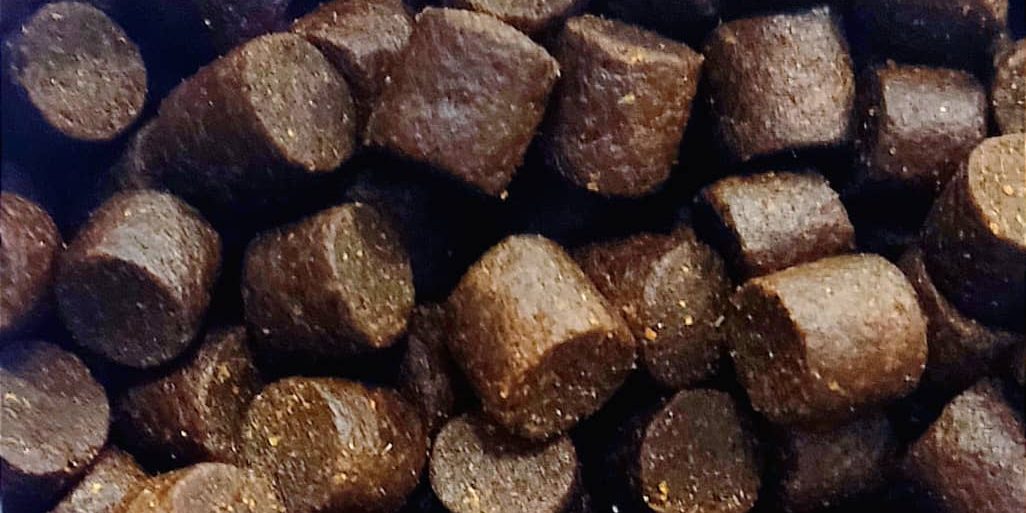
Aqua feed Production: Essential Equipment and Processes for High-Quality Aqua feed
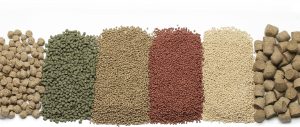
Discover the key equipment and technologies in aqua feed production. Learn how to produce high-quality aqua feed for fish and shrimp farming.
Importance of Aqua feed in Modern Aquaculture
In modern aquaculture, feed quality plays a vital role in the success of fish and shrimp farming. High-quality aqua feed directly impacts growth, health, and feed conversion ratios (FCR). Two main factors influence feed quality:
Internal factors: Quality of raw materials including protein, fats, vitamins, minerals, and hygiene standards.
External factors: Feed production equipment and processing technologies.
Even with premium ingredients, using substandard equipment can lead to poor-quality feed, reducing farm productivity.
Types of Aqua feed Based on Life Stage
Trout Feed
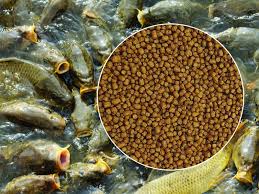
Starter Feed (SFT): Minimum 50% protein, up to 2 mm pellet size.
Fingerling Feed (FFT): 41–43% protein, 2.5–4.5 mm pellet size.
Grow-Out Feed (GFT): 37–39% protein, with probiotics and acidifiers for health and growth.
Shrimp Feed
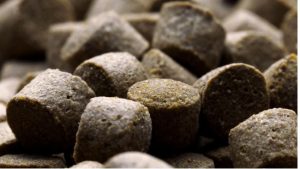
Larval Stage: 41–43% protein, fine lightweight pellets.
Juvenile Stage: 39–41% protein, sinking pellets with good water stability.
Grow-Out Stage: 37–39% protein with feed additives for tissue quality and growth performance.
Key Equipment in Aqua feed Production
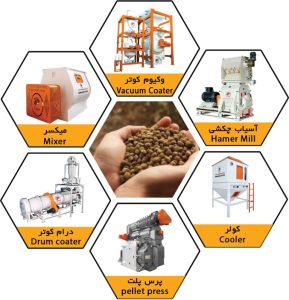
Raw Material Storage Silos
Galvanized silos protect raw materials such as fishmeal, soybean meal, and wheat gluten until processing begins.
Conveying Systems
Vertical conveyors (bucket elevators) and horizontal conveyors (screw conveyors) transport raw materials. Magnets remove metal impurities, ensuring feed safety.
Grinding Equipment
Hammer Mills for coarse grinding
Roller Mills for controlled particle size
Pulverizers for ultra-fine feed particles
Mixing, Pelletizing, and Stabilization
Feed Mixing Systems
Vertical and horizontal mixers ensure homogeneous feed formulations.
Pelletizing Systems
Feed is compressed through a pellet die, with diameters ranging from 1.8 to 6.5 mm depending on species.
Feed Stabilizers
Stabilizers provide secondary indirect cooking, enhancing feed durability, water stability, and FCR. L.lion stabilizers feature:
Double-walled thermal insulation
Steam coils and automated control
Stainless steel contact surfaces
30–60 min retention time with 0.3–0.5 MPa steam pressure
Floating Aquafeed Extrusion
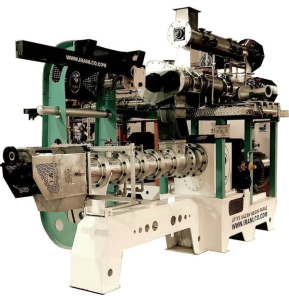
Extruders produce floating aqua feed under 30–120 bar pressure and 90–150°C temperature. The process includes:
- Pre-Conditioning with steam injection
- Extrusion using a screw conveyor
- Cutting into uniform pellet sizes
Drying, Cooling, and Coating
Dryers and Coolers reduce moisture and temperature, preventing spoilage and mold.
Drum Coaters and Vacuum Coaters add fish oil, vitamins, and additives for better nutrition and palatability.
Crumbling Systems for Starter Feed
Crumblers break large pellets into smaller sizes (under 2 mm) for shrimp larvae and ornamental fish.
L.lion crumblers feature:
Adjustable roller gaps
Automated control systems
High precision with minimal fines
Single or dual motor configurations for capacity needs
Conclusion
The success of aqua feed production depends on selecting high-quality raw materials and using advanced equipment at every stage—from grinding and mixing to pelleting, extrusion, and coating. Modern technologies like L.lion stabilizers and twin-screw crumblers ensure superior feed quality, optimal FCR, and maximum productivity for fish and shrimp farms.


1 Comment