
Bucket Elevator; Vertical Material Conveying in Production Lines
What Is a Bucket Elevator and What Role Does It Play in a Production Line?
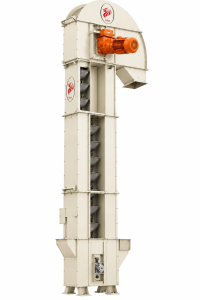
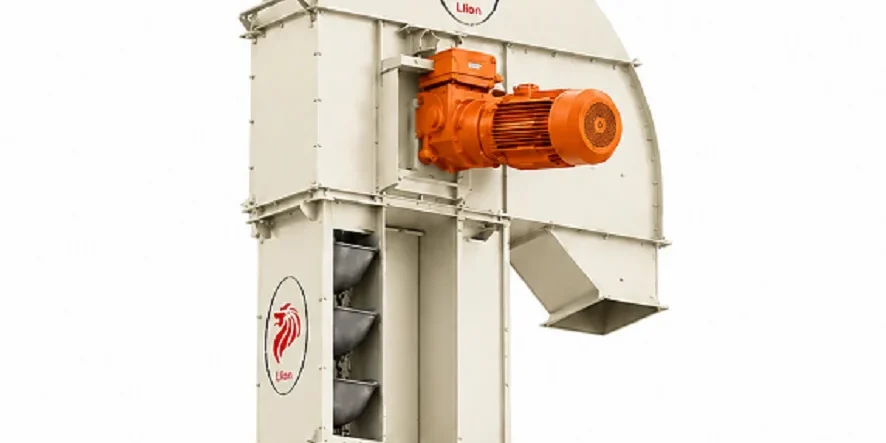
A Bucket Elevator or bucket-type elevator is one of the important pieces of equipment used in bulk and granular material handling systems. It is designed to vertically transfer materials between different levels and sections of production lines. This equipment uses a series of buckets mounted on a belt or chain to receive material at the inlet, carry it to the required elevation, and discharge it at the designated discharge point for the next stage of the process.
Bucket Elevators in Animal, Poultry, and Aquaculture Feed Production
In animal, poultry, and aquaculture feed production lines, bucket elevators provide an effective solution for vertically conveying raw materials and processed products while occupying limited horizontal space. This equipment can be used for conveying materials such as grains, ground raw materials, meals, granular materials, feed pellets, and other suitable products.
By providing a continuous vertical conveying route, a bucket elevator can be used in different areas of a plant, including conveying materials to silos, bins, processing equipment, and other required points within the production line. It also helps establish an organized material flow throughout the plant.
Structure and Operating Principle
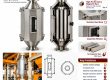
Depending on its capacity and operating conditions, the structure of a bucket elevator generally includes components such as the casing, buckets, belt or chain, drive and tail shafts, bearing units, drive system, inlet and outlet sections, and safety and inspection equipment.
During operation, the drive system moves the belt or chain, which in turn causes the continuous movement of the buckets. The buckets receive the material at the inlet and carry it upward along the vertical conveying path. At the upper section, the material is discharged according to the equipment design and bucket speed and then transferred to the next stage of the process.
Applications of Bucket Elevators in Different Industries
The application of bucket elevators is not limited to the feed industry. Depending on the equipment design and the characteristics of the material being conveyed, bucket elevators are used in various industries, including:
- Animal, poultry, and aquaculture feed production industries
- Grain and flour industries
- Grain silos and grain storage and processing facilities
- Agricultural and grain-processing industries
- Oilseed processing industries
- Food industries
- Fertilizer and granulated-material production industries
- Mining and granular-material processing industries
- Cement and construction-material industries
- Certain industrial processes involving powdery and granular materials
The selection of a bucket elevator for each application should be based on the characteristics of the material and the process conditions. Factors such as conveying capacity, conveying height, particle size and shape, density, moisture content, material temperature, abrasiveness, and cohesiveness are important in the design and selection of the equipment components.
Advantages of Using a Bucket Elevator
The use of a bucket elevator in material-handling systems can provide advantages such as:
- The ability to vertically convey materials to different elevations
- Efficient use of plant space
- Continuous material transfer between different sections of a production line
- Suitability for many bulk and granular materials and certain powdered materials
- The ability to operate at different capacities and conveying heights, depending on the equipment design
- The possibility of integration with other conveying and process equipment within the plant
- Reduced horizontal space requirements compared with some other material-handling methods
Maintenance and Operation
Stable operation and extended service life of a bucket elevator depend on proper operation, periodic inspection, and implementation of a regular maintenance and repair program. The condition of the belt or chain, buckets, fasteners, bearing units, drive shafts, power transmission system, and safety equipment should be inspected in accordance with the manufacturer’s instructions and the actual operating conditions of the equipment.
Monitoring conditions such as abnormal vibration, unusual noise, increased bearing temperature, belt misalignment, loose connections, bucket wear, and proper operation of the drive system can also help identify faults at an early stage and prevent unexpected production-line downtime.
A Suitable Bucket Elevator for Material Conveying Lines
Due to its ability to convey materials vertically and its adaptability to different process routes, the bucket elevator is considered a practical material-handling solution for factories and industrial facilities. In animal, poultry, and aquaculture feed production lines, selecting the appropriate equipment capacity and specifications based on the material type, required conveying rate, and conveying height plays an important role in ensuring reliable operation of the material-handling system.
Bucket Elevator Technical Specifications
| Parameter | Specification |
|---|---|
| Type | Belt Bucket Elevator |
| Motor Power | 5.5 to 7.5 kW |
| Gearbox | E-Series geared unit |
| Output Speed | 120 rpm |
| Belt Width | 250 mm |
| Bucket Material | Metal (Steel/Iron) |
| Bucket Size | 20 |
For the selection and design of this equipment, the process specifications, material type, required capacity, conveying height, and operating conditions should be evaluated from an engineering perspective to ensure that the equipment is properly matched to the production line requirements.
For consultation and information about equipment pricing, please contact us.